
Cameron McWilliam
Senior Public Relations Manager

Imagine a Day Without Water asks us to picture empty taps. It’s also a chance to thank the people who keep them running.
This morning, you probably turned on a tap, brushed your teeth, flushed the toilet, showered, and made coffee. You didn’t think about any of it. That’s the point.
Today, Oct. 15th, water utilities, schools, businesses, and advocates across the country ask you to think about it anyway. It’s Imagine a Day Without Water, and the premise is simple: picture turning on the tap and getting nothing.
It says a lot that we need a day for that.
I’ve spent more than 20 years telling stories about water in the U.S., the U.K., the UAE, and Hong Kong. The languages, climates, and politics change. One thing remains constant: nobody thanks the water.
Water infrastructure has an odd job description. When it works, it disappears. Pipes stay buried. Treatment plants sit behind fences on the edge of town (mostly). Operators work night shifts nobody sees. The better they do, the less anyone notices.
I’ve come to see that as a compliment. But it’s also a problem.
People meet their water system on its worst day. A main breaks and floods a street. A boil-water notice lands on a Tuesday. A rate increase shows up on a bill with no explanation. That becomes the whole story, because it’s the only story anyone hears.
Meanwhile, the decades of planning, the engineering, the testing, and the 3 a.m. repairs stay invisible. It’s like judging a goalkeeper only on the goals they let in.
The stakes of that invisibility are real. Last year, the Value of Water Campaign estimated that a single nationwide day without water would cost U.S. households more than $27 billion. Invisible doesn’t mean unimportant.
I’ve worked in water for most of my career, not as an engineer, but as a communicator helping engineers tell their stories to reporters and explain complex projects to the communities they serve. I learn something new every day. It might be on a treatment plant tour, in reading a proposal, or on a call with a project team. I’m usually the one asking, “What happens in this tank?” or “How does that membrane pull contaminants out of the water?”
They always have an answer, and I walk away with a deeper appreciation for the work. But it reminds me how much of it stays hidden, even from people inside the industry. If I need to ask, imagine how little the average customer sees.

A few lessons remain consistent across every country I’ve worked in:
Imagine a Day Without Water asks us to picture the worst case for 24 hours. I’d add a smaller ask for the other 364.
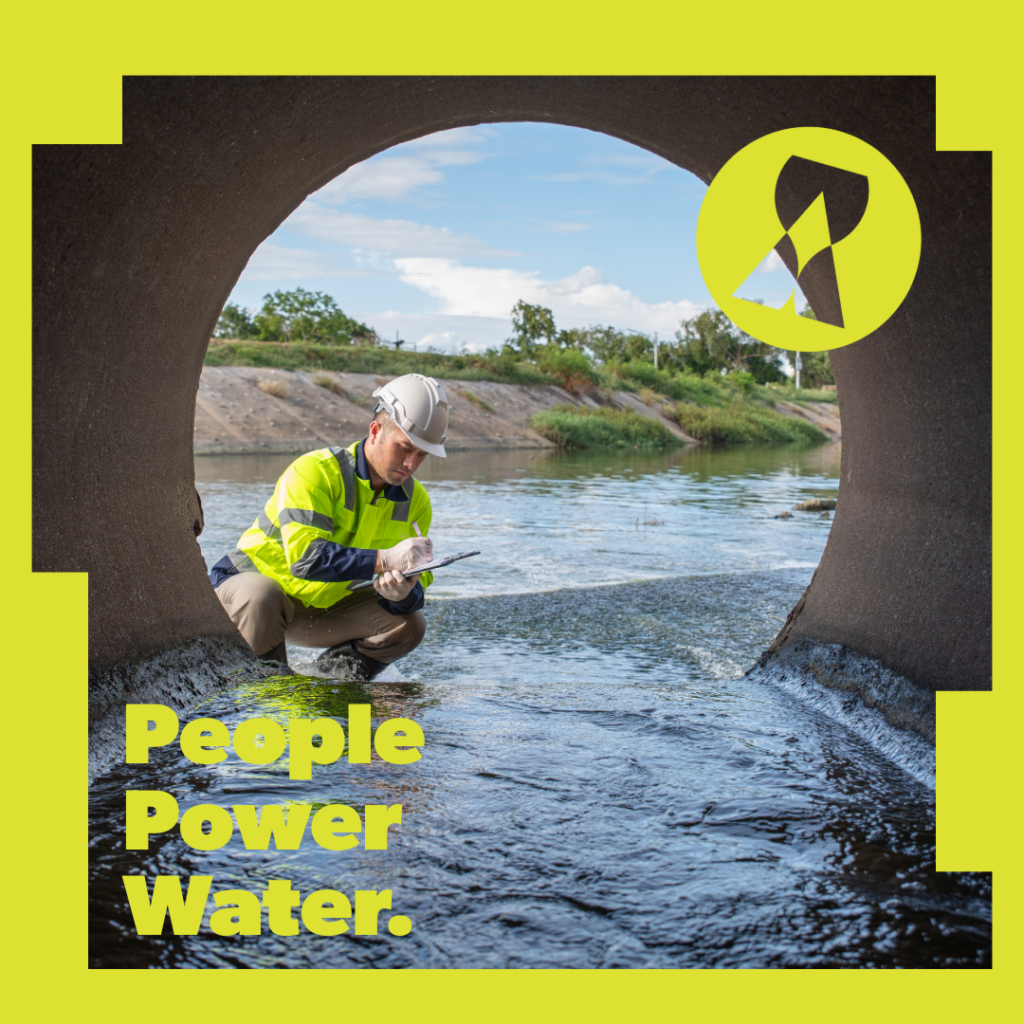
Next time you fill a glass from the tap, give it a second. Somewhere, a team of engineers, operators, and lab technicians made that glass possible, and they’ll never know you noticed.
That’s fine. They’re used to it. But nobody thanks the water, so today, thank the people behind it.