Why aren’t all construction projects successful? How we built a blueprint for a winning team
Authors: Anton Dapcic, Steve Frost
Water Collaborative Delivery Association

Authors: Anton Dapcic, Steve Frost
Water Collaborative Delivery Association
Successful water infrastructure projects are built on more than strong design and construction. When owners, engineers, contractors, and project partners work toward shared goals from the start, collaboration can create opportunities to solve problems earlier, accelerate critical improvements, and deliver greater value to communities.
A recent article published by the Water Collaborative Delivery Association (WCDA), “Why Aren’t All Construction Projects Successful? How We Built a Blueprint for a Winning Team,” co-authored by Carollo’s Anton Dapcic and Steve Frost, explores how trust, planning, and strong relationships are helping one North Texas project team turn collaboration into results.
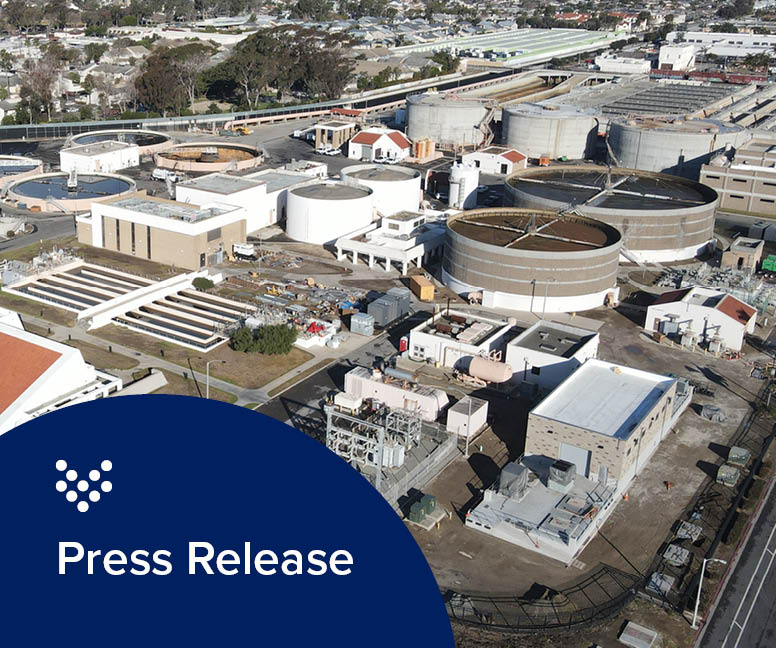
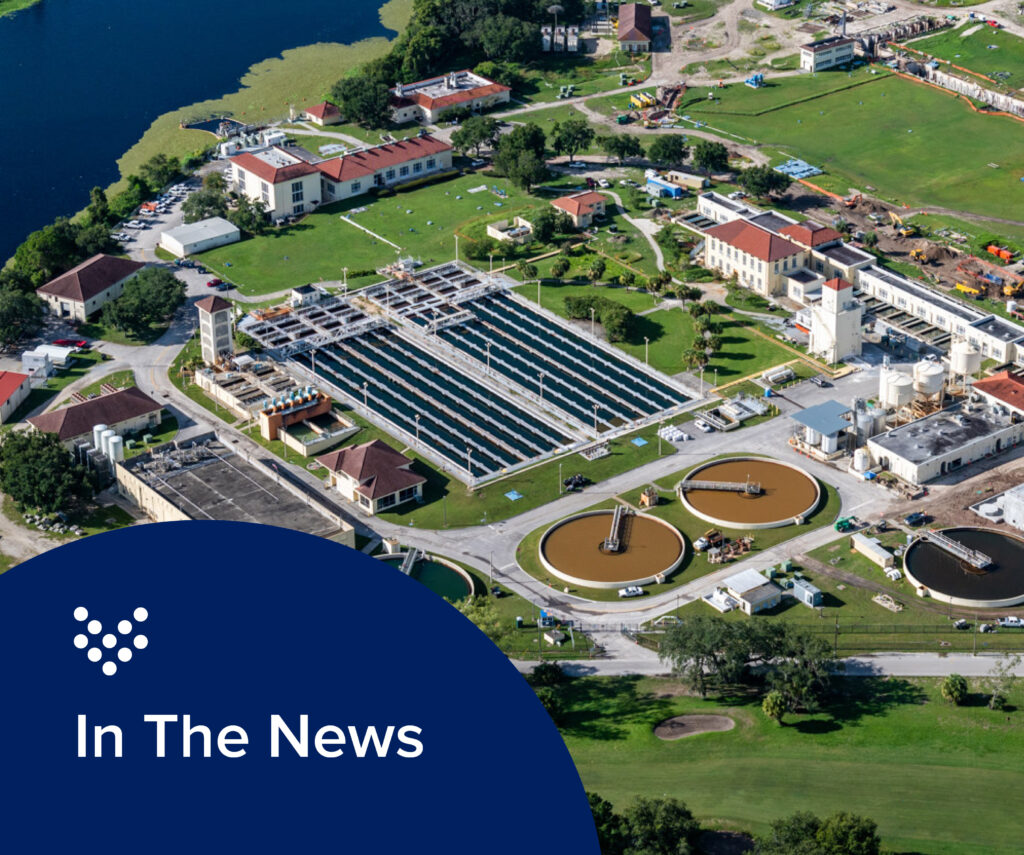
The North Texas Municipal Water District (NTMWD) is expanding its South Mesquite Creek Regional Wastewater Treatment Plant to increase treatment capacity from 33 to 41 mgd and prepare for projected growth.
Carollo and Archer Western Construction are delivering the project under construction management at-risk (CMAR), working alongside NTMWD and the owner’s advisor, AECOM.
One example of the team’s collaborative approach was the early delivery of two peak wet-weather flow basins. By rethinking the original delivery strategy and coordinating across design, construction, operations, and commissioning, the team brought 6.9 million gallons of additional storage capacity online well before substantial completion.
That capacity is already helping plant operators manage excess flows during major wet-weather events while construction continues.
The article argues that successful collaborative delivery begins with people. Team members need to set aside individual company interests and recognize that no single organization has all the answers.
That mindset starts well before construction. Establishing shared goals, clearly defining roles, assembling the right people, and planning how the team will work together can create a stronger foundation when challenges arise.
At South Mesquite Creek, that preparation has also helped the team identify opportunities to deliver value earlier rather than waiting until the entire project is complete.
Strong collaboration also extends beyond the owner, designer, and contractor. Subcontractors and other project partners bring valuable experience that can strengthen project outcomes when they are engaged as part of the larger team.
Building relationships based on fairness, reliability, and trust can help create a stronger pool of partners ready to contribute when their expertise is needed.
The South Mesquite Creek project demonstrates that successful collaboration isn’t simply a product of the delivery method. It comes from deliberately building a team around shared goals, trust, flexibility, and a willingness to solve problems together.
As water infrastructure projects become increasingly complex, these relationships can help teams anticipate challenges, adapt to changing conditions, and deliver meaningful benefits to owners and communities sooner.
Read the full WCDA article to learn more about the South Mesquite Creek RWWTP expansion and the team’s blueprint for successful collaborative project delivery.
Citations
Manager, Johnathan Polak Program, et al. “Why Aren’t All Construction Projects Successful? How We Built a Blueprint for a Winning Team.” Water Collaborative Delivery Association, 22 Sept. 2026, watercollaborativedelivery.org/why-arent-all-construction-projects-successful-how-we-built-a-blueprint-for-a-winning-team/.