As direct potable reuse (DPR) becomes an increasingly important strategy for strengthening water supplies, questions continue to arise about how safe is safe enough. While regulatory approaches vary around the world, the science behind potable reuse remains grounded in decades of research focused on protecting public health.
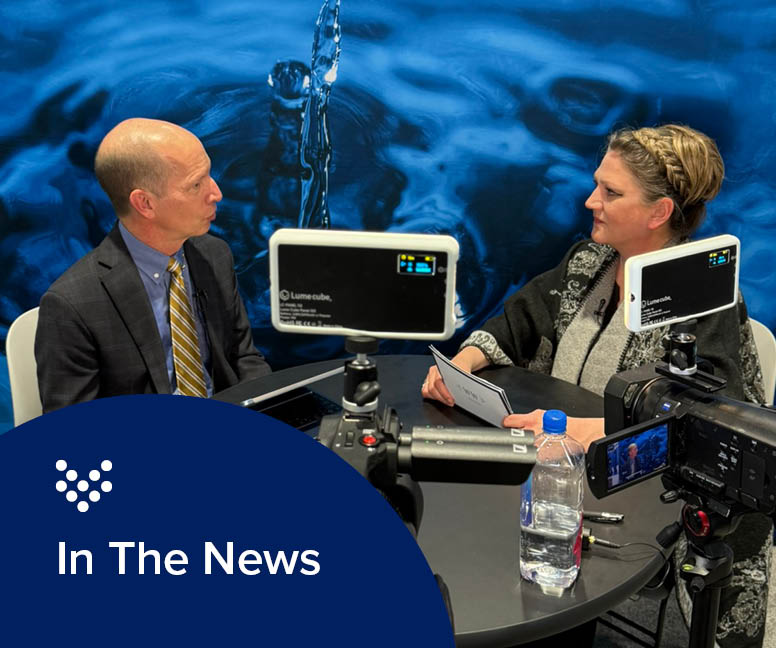
In a recent article published by Water Desalination Report, Carollo’s Water Reuse Technical Practice Director, Eva Steinle-Darling, joined leading potable reuse experts to discuss how DPR regulations should be evaluated and why risk should be viewed at the community level rather than through treatment requirements alone.
Evaluating Direct Potable Reuse Through Risk Reduction
The article examines differences between California’s direct potable reuse regulations and approaches used elsewhere, including Australia. While some have questioned whether California’s treatment requirements are overly conservative, Eva explains that the state’s framework is firmly rooted in scientific research.
“There is no question that decades of scientific research, much of it supported by California utilities, underpins the regulatory approach to potable reuse,” she said.
That research has advanced understanding not only of pathogen removal, but also chemical treatment performance and the importance of source control and other management practices that work together to protect public health.
Looking Beyond Treatment Requirements for DPR
Rather than comparing one state’s log reduction requirements to another’s, Eva encourages a broader perspective.
“Rather than comparing one state’s standards against another’s, it is more useful to evaluate potable reuse requirements through the lens of community-level risk reduction,” she explained.
Because purified water is blended with existing drinking water supplies, additional treatment beyond a certain point produces progressively smaller reductions in overall community risk. Eva notes that the primary objective should be to produce water that is lower-risk than the existing supply, while recognizing that increasingly stringent treatment requirements eventually yield diminishing returns.
A Science-Based Future for Potable Reuse
Eva also advocates for evaluating DPR projects based on their impact on the entire drinking water portfolio rather than considering purified water in isolation.
“It would be more meaningful to conduct community-level risk assessments,” she said. “Based on this perspective, it is highly unlikely that any of the approaches described above would result in an increase in community health risk.”
As more communities consider direct potable reuse, conversations around regulation will continue to evolve. Eva’s perspective highlights the importance of grounding those discussions in scientific evidence, risk assessment, and the broader context of community water systems.
To read more of Eva Steinle-Darling’s insights on direct potable reuse regulations and community-level risk, explore the full article in Water Desalination Report.