The water loss paradox: Everyone’s problem, no one’s priority
Authors: Jennifer Steffens
WaterWorld

Authors: Jennifer Steffens
WaterWorld
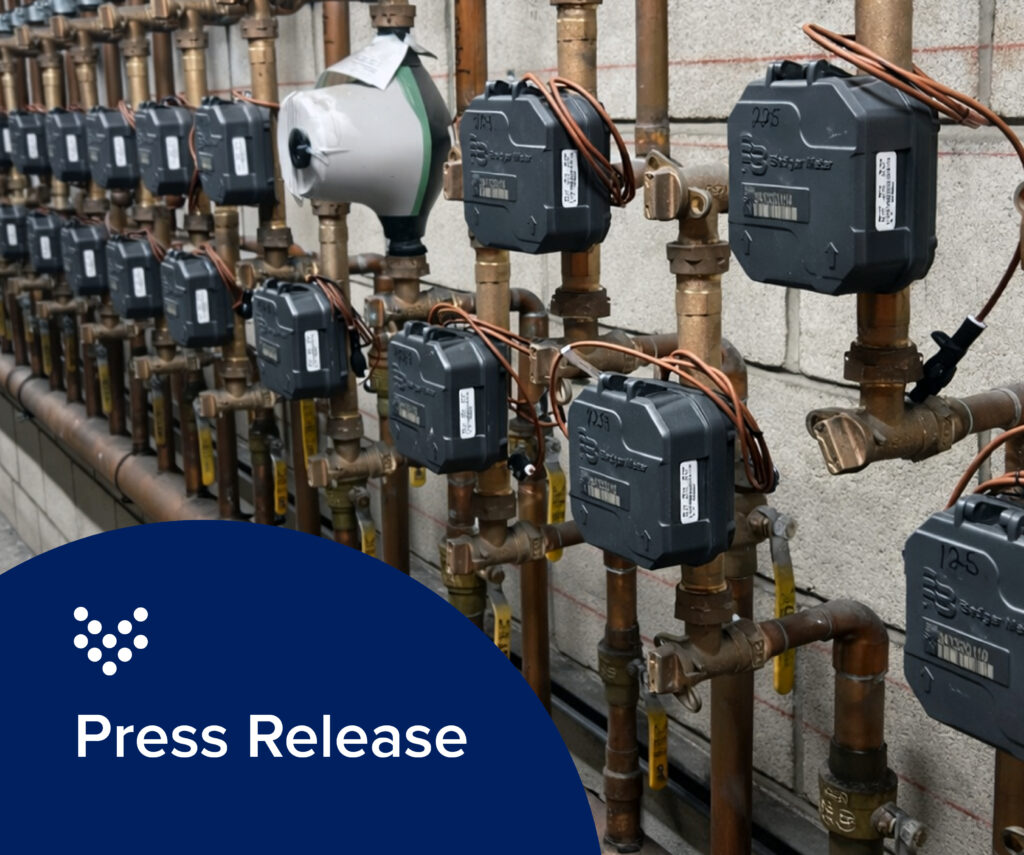
Every water utility knows some water is lost before it reaches customers. Whether through leaks, inaccurate meters, or other system inefficiencies, this “non-revenue water” (NRW) represents a significant operational and financial challenge. Yet despite decades of attention, water loss remains one of the most persistent issues facing utilities.
In a recent WaterWorld article, “The Water Loss Paradox: Everyone’s Problem, No One’s Priority,” Carollo’s Jennifer Steffens argues that the biggest obstacle isn’t finding water loss, it’s deciding where to act. Rather than viewing water loss as simply an infrastructure problem, the article reframes it as a decision-making challenge, one that can be addressed through better use of data, analytics, and engineering expertise.
Reducing water loss can lower operating costs, conserve water, reduce energy use, and even delay the need for expensive infrastructure projects. So why isn’t it always a top priority?
According to Jennifer, utilities are built to manage risk first. Immediate concerns like water quality, regulatory compliance, cybersecurity, main breaks, and service interruptions naturally demand attention because their consequences are immediate and highly visible.
Water loss is different. It often develops gradually underground, without disrupting service or attracting public attention. While the long-term benefits of reducing NRW are substantial, the investment required to address it competes with more urgent operational needs.
As the article explains, “The challenge is not convincing utilities that water loss matters. The challenge is helping them confidently determine where to act, when to act, and how to prioritize limited resources for the greatest operational benefit.”
One of the article’s central messages is that most utilities don’t have a data shortage.
Today’s water systems generate information from SCADA systems, AMI, GIS, hydraulic models, asset management software, work orders, and leak detection programs. The problem is that this information is often spread across separate systems and departments, making it difficult to see the full picture.
Bringing those data sources together gives utilities a much clearer understanding of where water loss is occurring and where investments can have the greatest impact.
Jennifer also explores the growing role of artificial intelligence and advanced analytics in water loss management. Rather than replacing engineers or simply identifying more leaks, these tools help utilities reduce uncertainty and prioritize actions.
By combining information from across the utility, AI can help answer practical operational questions, such as which parts of the system are most likely to be leaking and where field crews should be deployed first.
In this way, AI becomes a decision-support tool that helps utilities focus their limited time, staff, and budgets where they matter most.
The article concludes that the future of water loss management isn’t about collecting more data or deploying more technology. It’s about helping utilities consistently make better operational decisions.
When engineering expertise, integrated data, analytics, and day-to-day operations work together, utilities can prioritize the right actions, improve system performance, and strengthen long-term resilience.
Read the full article in WaterWorld to learn more about how a decision-centric approach can help utilities rethink water loss management and transform data into action.
Citations
Steffens, Jennifer. “The Water Loss Paradox: Everyone’s Problem, No One’s Priority.” Waterworld.Com, WaterWorld, 3 Aug. 2026, https://www.waterworld.com/water-utility-management/article/55395189/carollo-engineers-the-water-loss-paradox-everyones-problem-no-ones-priority.