As utilities continue exploring ways to address per- and polyfluoroalkyl substances (PFAS), much of the attention has focused on drinking water. But removing these “forever chemicals” from wastewater presents a different set of treatment challenges, particularly when it comes to finding practical, cost-effective solutions.
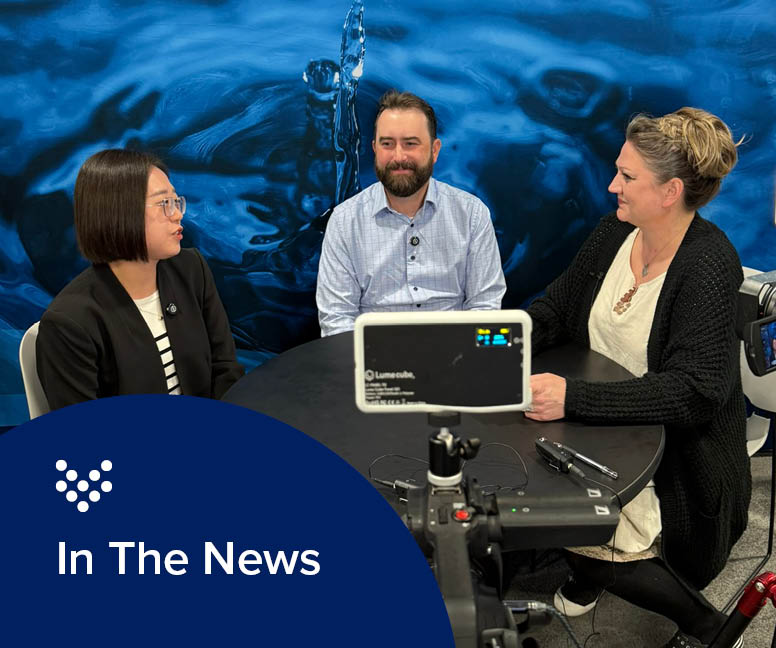
In a recent Water Online interview, Carollo Senior Wastewater Technologist Michelle Young discussed ongoing research into powdered activated carbon (PAC) as a potential solution for removing PFAS from wastewater effluent. The study, funded through The Water Research Foundation’s project 5388, is exploring whether this established treatment material could offer utilities a more flexible approach to PFAS removal.
Why is PFAS Removal More Difficult in Wastewater?
Wastewater contains higher concentrations of organic matter, nutrients, and suspended solids than drinking water. These materials can interfere with treatment by competing with PFAS for adsorption sites or accumulating in treatment systems.
According to Michelle, PAC offers an interesting alternative because its small particle size and large surface area allow PFAS to be adsorbed quickly, while the carbon can be captured through existing wastewater treatment processes.
PAC can also be added at different points in the treatment process, giving utilities flexibility to adjust dosing based on changing PFAS concentrations and treatment needs.
Testing a More Flexible PFAS Treatment Option
Carollo is collaborating with four utilities across the United States and Canada to evaluate PAC’s effectiveness through bench-scale testing at its Water Applied Research Center (Water ARC®) in Boise, Idaho.
Researchers are testing three different PAC products at varying doses and treatment stages to better understand PFAS removal, potential impacts on nutrients, and overall costs.
Preliminary findings suggest PAC could offer meaningful cost advantages compared to other treatment technologies, particularly for utilities seeking a short- or medium-term solution.
“Utilities can really start doing this testing themselves and looking into powdered activated carbon as an option for short-term removal of PFAS,” Michelle explained.
Helping Utilities Make Informed Treatment Decisions
Beyond demonstrating PAC’s effectiveness, the research aims to provide practical design recommendations and cost information that utilities can use when evaluating treatment options.
Michelle emphasized that PAC may not be the right long-term solution for every facility. Questions remain about managing and disposing of PFAS-containing residuals, as well as how treatment needs may evolve.
“PFAS in wastewater is going to have to be a holistic approach,” she said, pointing to the importance of addressing PFAS in effluent, biosolids, and other concentrated waste streams.
As research continues, studies like Project 5388 will help utilities better understand the technologies available to manage PFAS throughout the wastewater treatment process.
To hear more from Michelle Young about the research, early findings, and what they could mean for utilities, watch the full interview with Water Online.