George Whitten
Project Manager

May 15, 2025




Water utilities across the United States are facing an important deadline. Under America’s Water Infrastructure Act (AWIA), drinking water providers serving over 3,300 customers must recertify their Risk and Resilience Assessments (RRAs) and Emergency Response Plans (ERPs) every five years.
With the inaugural assessments completed in 2020 and 2021, the time is ripe for utilities to not only meet compliance requirements but also build a robust culture of preparedness.
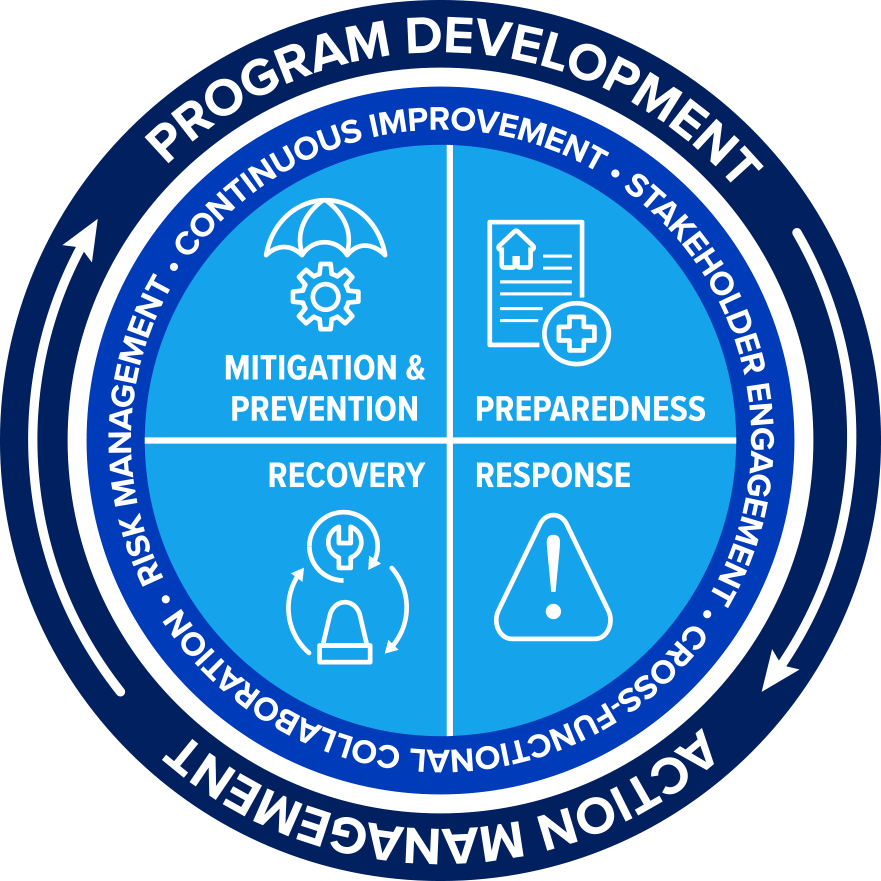
While meeting AWIA’s baseline requirements is an important first step, many utilities are seizing this opportunity to implement strategic, action-oriented initiatives that transcend mere compliance. Here’s how your utility can move from resilience in theory to resilience in practice.
Enhance Standard Risk Assessments
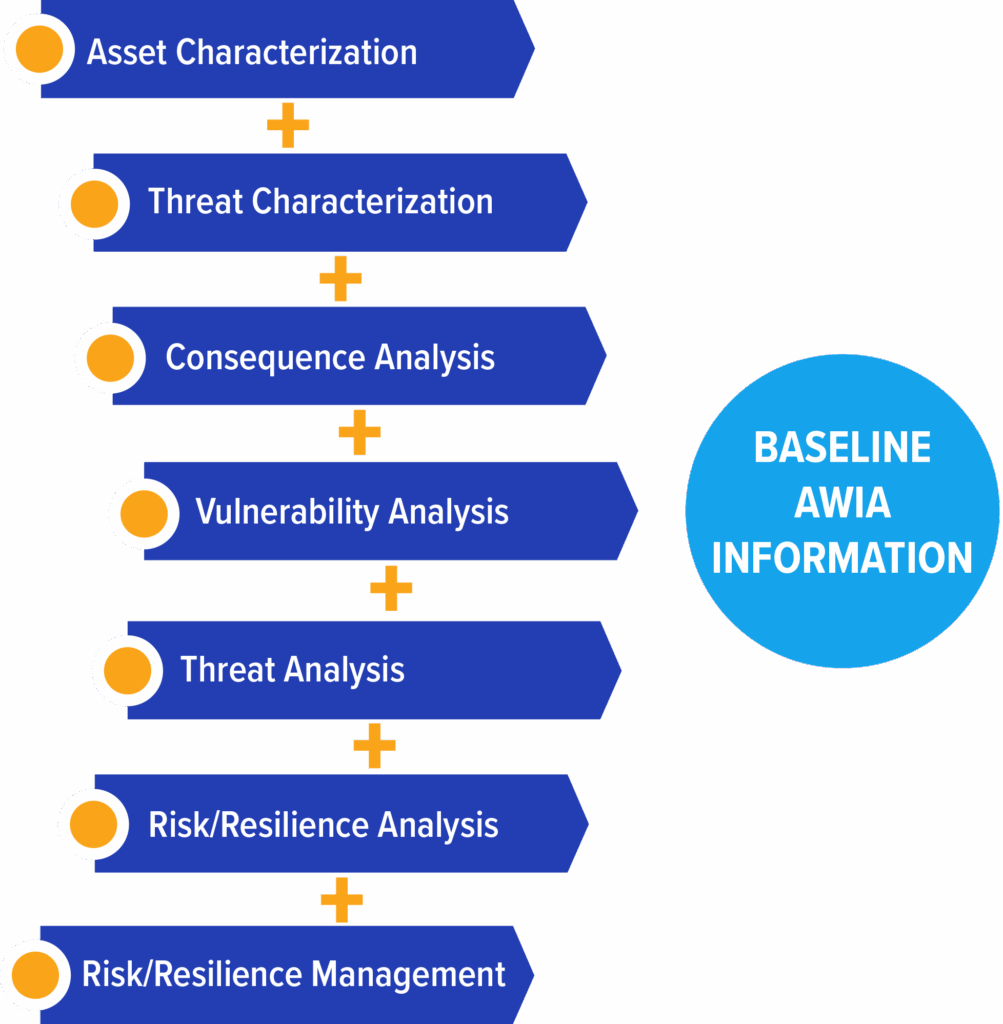
The American Water Works Association (AWWA) J100 process is a seven-step framework that guides utilities in characterizing critical assets, assessing and prioritizing risks, and developing strategies to reduce risk and increase resilience. All seven steps of this approach not only help utilities fulfill AWIA requirements, but also translate risk information into actionable projects that enhance resilience.
Develop Implementation Plans for Resilience Projects
While not required under AWIA, implementation plans in RRAs can help prioritize projects like improving fencing around critical assets or building redundant pipelines. By identifying risk mitigation solutions, estimating the costs of implementation, and performing cost-benefit analyses, these plans can provide measurable and fiscally-responsible resilience improvement recommendations, supported by data on long-term cost savings and risk reduction.
Coordinate Emergency Response Plans
Utilities should share their ERPs with local emergency responders to support response coordination in advance of an emergency. This helps to build relationships within the community, and can promote more effective and collaborative responses to disasters.
Conduct Regular Simulation Exercises
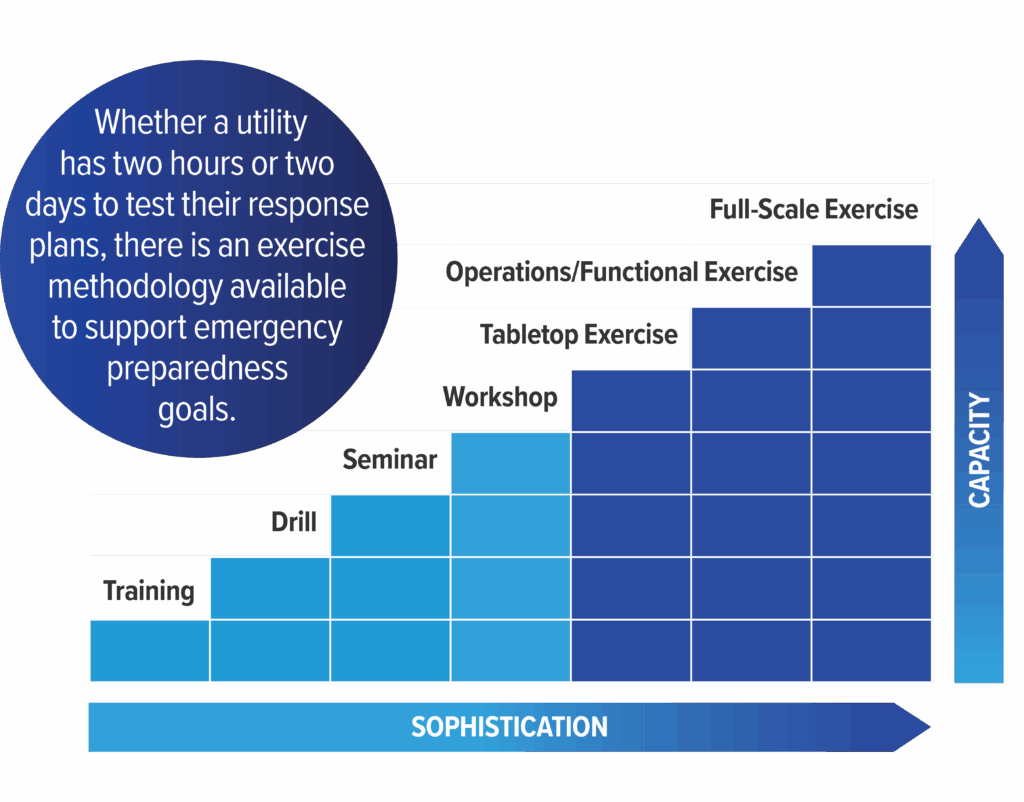
Utilities can test and evaluate their ERPs through tabletop discussions, functional exercises, and full-scale simulated responses. Exercises allow staff to explore assumptions about response procedures and timelines, test the effectiveness of mitigation measures, and validate recovery strategies before emergencies arise. Utilities can start with basic training and drills, strategically building capacity for more complex exercises.
Implement a Security Strategy
This can include a security master plan that encompasses physical security measures, cybersecurity protocols, and evolving policies and procedures. Conducting cybersecurity evaluations and implementing robust training programs also helps protect against digital threats.
Plan for Business Continuity
Developing and regularly updating Business Continuity and Continuity of Operations Plans can help your utility maintain essential functions during and after an emergency, identify critical business functions, and establish alternate operating procedures.
Cultivate a Culture of Resilience
Embed preparedness into your organization by providing regular training, integrating security into all decision-making processes, and encouraging staff at all levels to contribute to resilience efforts.
When it comes to emergency response planning, action is more valuable than intention and theory. By taking these proactive steps, your utility can move beyond compliance to true preparedness, protect assets and customers from hazards, improve your emergency response, and narrow your recovery timelines.